


CUSTOM ANALYTICS & AI
Engineered Solutions.
More Objects. More Accurate.
Through the development of specific proprietary algorithms within our Syncro database, we have trained our neural net to successfully identify over 4000 objects in real time. These objects range from break and enter tools, water trucks, to wire coils.
With all camera feeds being centralized within our head office for real time processing, we are able to make independent and intuitive determinations on what objects are on a per frame basis. By centralizing our neural net within our data-center, we are opening up an unlimited amount of processing power to provide for diverse and specific object detection. This technology covers a large array of internal hardware and software to provide a large amount of processing power, and allows for the making of advanced determinations.
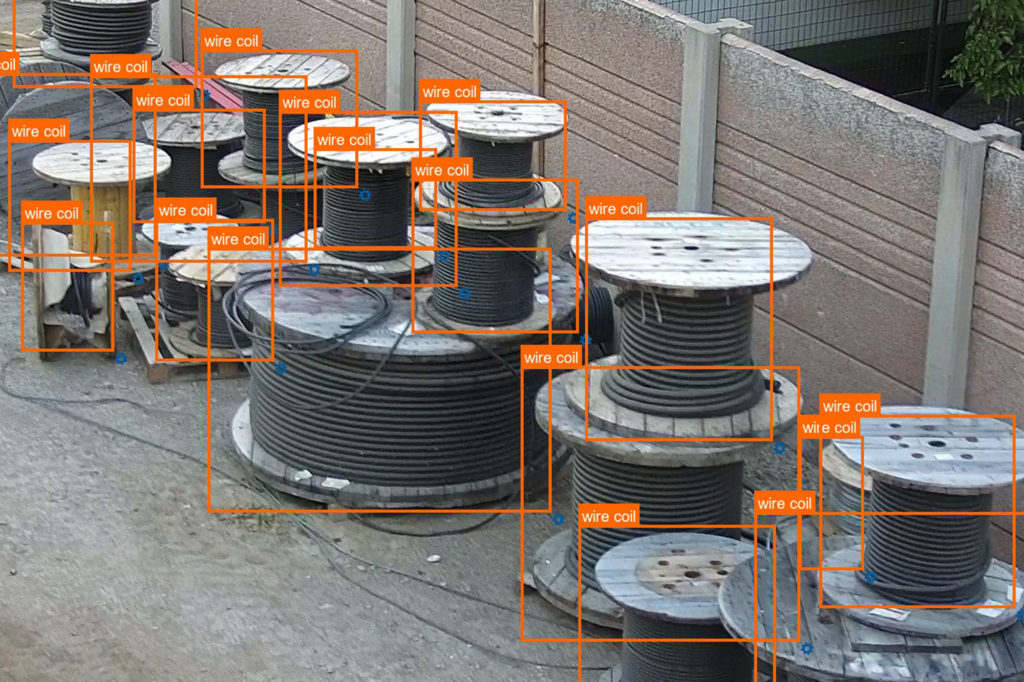
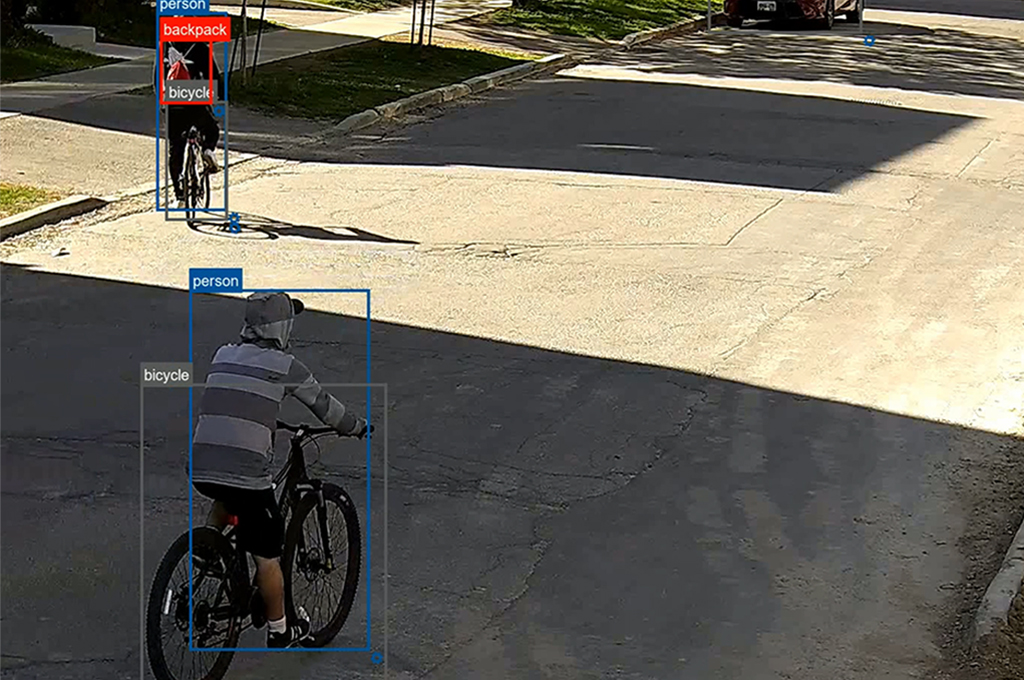
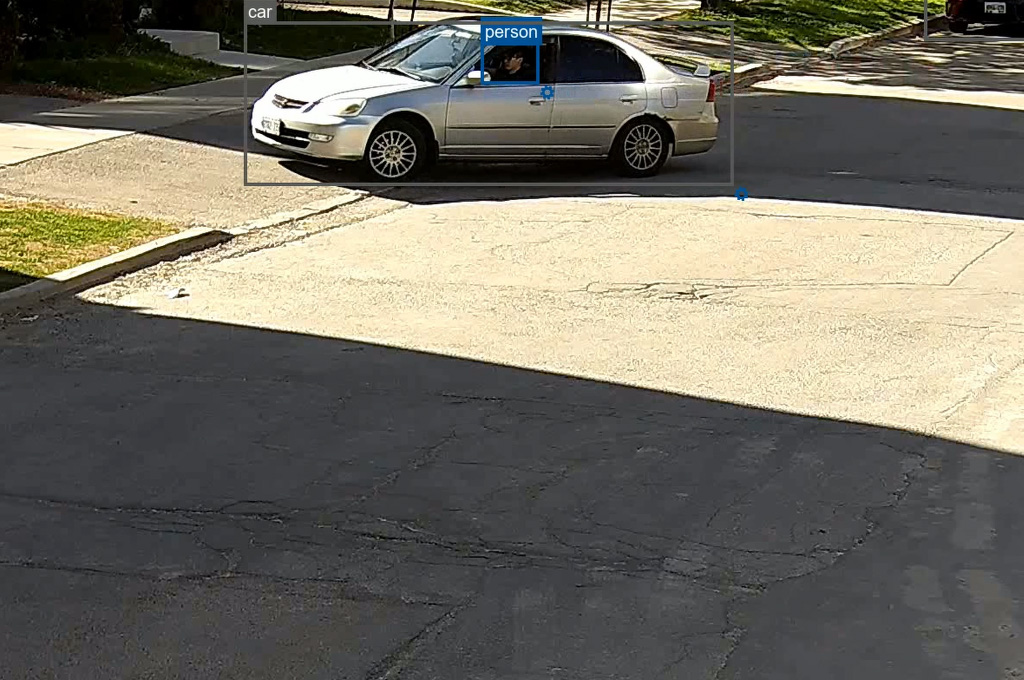
Our systems employ a multitude of processes, each pertaining to a specific task on a video stream or image. The Asset Database, our primary system, houses all of the images used for training the artificial intelligence in mathematical form. As all objects follow a mathematical pattern, an algorithm that falls within the grey area of a match can determine that an object has been detected. Extensive training of the AI system is done to detect the mathematical similarities between variations of an object in order to make these determinations programmatically.
Our Proprietary AI System
As feeds are being monitored by the AI system, the processing rate is upwards of 70 frames per second. When matches are made, the system will run the algorithms continuously to determine if the confidence level rises or falls. If the confidence level rises, a positive ID is made; if the level falls, it is determined a false positive and discarded. Typically, camera analytics require a segment of video to make a determination and the confidence level is unable to be confirmed or denied. This restriction comes from low system resources, low hard-drive space, and low processing power.
Centralization of the detection system eliminates the requirement to upgrade cameras or systems in the field in order to take advantage of newer detections made within our system. As an example, we recently trained our Neural Net to detect wire coils of various types and sizes for the purposes of inventorying objects on client sites and to ensure that people approaching these objects trigger the system to follow a multitude of logic incorporated within syncroReports.
Once the custom training is completed for a detection type, it can be activated immediately and remotely without the need for service calls or hardware upgrades for all clients to benefit from. By centralizing these programs with no restriction on access to camera feeds, we are able to process each frame of video independently, thus resulting in 30 qualified determinations for a single second of 30 fps video. This ultimately raises the confidence level and ensures positive identification is compounded over the course of one or more seconds. For example, if a positive ID is made on an object 60 times in a row over a 2 second time-span with a confidence level of 80% – it can be deduced using a logarithm that the confidence level as a total for the 2 seconds would increase to 99.999%.
Perfect Detections.
In addition to maintaining perfect detection rates on the objects analysed, we are able to train the AI system to be able to detect far more objects. Typically, advanced camera manufacturers today are able to employ analytics that can detect people, vehicles, line crossings, and intrusion detections. Although these analytics may seem advanced, they are unable to compare against a multitude of variations on these objects and thus produce false positives or not identifying at all. The following will further explain why these analytics are limited:
A typical high end camera can incorporate approximately 50 megs in non-volatile memory which is used to store algorithms that the camera can cross reference for detection. This micro database within the camera will then use an ARM (Advanced RISC Machine) based CPU to process the images against the database at usually 330 megahertz.

In comparison, our central database has a Neural Net that is 100 gigabytes in size, covering all of the possible matches for over 4000 objects. 100 gigabytes is 800 times larger then what the camera is capable of facilitating for comparisons and our processing power is currently 16,000 times faster then what a camera can produce. This leads to a much larger comparative database and far fewer false positives from the system.
Better. Faster. Stronger.
Our Technology
Transparency when it matters...

Our proprietary syncroReports platform is fully integrated with our entire line of video security units. Authorized users can view all live video from our units on site, in real time. These video viewing features are obtainable directly in the browser, without the need for any additional software or plugins.
More Details
